Why To Kill a Mockingbird Matters, Book Giveaway (now through August 18)

Why To Kill a Mockingbird Matters: What Harper Lee’s Book
and the Iconic American Film Mean To Us Today
Book Giveaway

Meticulous attention to detail… Readers not familiar with the stories behind the novel and film will find much to relish.” Publishers Weekly

We’re super excited about our next giveaway! This time, we’ll be giving away TWELVE COPIES of the book “Why To Kill a Mockingbird Matters” by critically-acclaimed author Thomas Santopietro, courtesy of St. Martin’s Press. This is a must-read for Mockingbird fans, as Thomas explores why this iconic classic matters today more than ever. Plus he reveals behind-the-scenes stories from the film including casting sessions, picking a director and more…

In order to qualify to win one of these books via this contest giveaway, you must complete the below entry task by Saturday, Aug 18 at 9PM EST. However, the sooner you enter, the better chance you have of winning, because we will pick a winner on six different days within the contest period, via random drawings, as listed below… So if you don’t win the first week that you enter, you will still be eligible to win during the following weeks until the contest is over.

  • July 14: Two Winners
  • July 21: Two Winners
  • July 28: Two Winners
  • Aug 4: Two Winners
  • Aug 11: Two Winners
  • Aug 18: Two Winners

We will announce each week’s winner on Twitter @ClassicMovieHub (or this blog, depending how you entered), the day after each winner is picked at 9PM EST for example, we will announce our first week’s winner on Sunday July 15 at 9PM EST.

why to kill a mockingbird matters by thomas santopietro

…..

ENTRY TASK (2-parts) to be completed by Saturday, Aug 18 at 9PM EST— BUT remember, the sooner you enter, the more chances you have to win…

1) Answer the below question via the comment section at the bottom of this blog post

2) Then TWEET (not DM) the following message:
Just entered to win the “Why To Kill a Mockingbird Matters” #BookGiveaway courtesy of @StMartinsPress author @TomSantopietro  and @ClassicMovieHub contest link: http://ow.ly/6HrF30kS4pe

THE QUESTION:
Why do you love most about “To Kill a Mockingbird” (book or film)? And if you are unfamiliar with it, why do you want to win this book?

*If you do not have a Twitter account, you can still enter the contest by simply answering the above question via the comment section at the bottom of this blog — BUT PLEASE ENSURE THAT YOU ADD THIS VERBIAGE TO YOUR ANSWER: I do not have a Twitter account, so I am posting here to enter but cannot tweet the message.

ALSO: Please allow us 48 hours to approve your comments. Sorry about that, but we are being overwhelmed with spam, and must sort through 100s of comments…

…..

gregory peck reading to kill a mockingbird

About “Why To Kill a Mockingbird”:  With 40 million copies sold, To Kill a Mockingbird’s poignant but clear eyed examination of human nature has cemented its status as a global classic. Tom Santopietro’s new book, Why To Kill a Mockingbird Matters, takes a 360 degree look at the Mockingbird phenomenon both on page and screen. Santopietro traces the writing of To Kill a Mockingbird, the impact of the Pulitzer Prize, and investigates the claims that Lee’s book is actually racist. Here for the first time is the full behind the scenes story regarding the creation of the 1962 film, one which entered the American consciousness in a way that few other films ever have. From the earliest casting sessions to the Oscars and the 50th Anniversary screening at the White House, Santopietro examines exactly what makes the movie and Gregory Peck’s unforgettable performance as Atticus Finch so captivating. As Americans yearn for an end to divisiveness, there is no better time to look at the significance of Harper Lee’s book, the film, and all that came after.

Please note that only residents of the Continental United States (excluding Alaska, Hawaii, and the territory of Puerto Rico) entrants are eligible to win.

For complete rules, click here.

Here’s a short trailer about the book, narrated by author Tom Santopietro.

And if you can’t wait to win, you can click on the image below to purchase on amazon :)

And please be sure to check out other classic books by Tom Santopietro too!


…..

Good Luck!

–Annmarie Gatti for Classic Movie Hub

Posted in Books, Contests & Giveaways, Posts by Annmarie Gatti | Tagged , , , , | 24 Comments

Classic Movie Travels: Donald O’Connor – Illinois and Wisconsin

Classic Movie Travels: Donald O’Connor
Chicago, Danville, Milwaukee and More

Donald O'Connor Headshot Singin in the RainDonald O’Connor

In Singin’ in the Rain (1952), Cosmo Brown (Donald O’Connor) jokes that Lina Lamont (Jean Hagen) is a triple threat: she can’t sing, can’t dance, and she can’t act. Luckily, O’Connor was just the opposite and quickly made a name for himself in the musical genre.
Donald David Dixon Ronald O’Connor was born in Chicago, Illinois, at St. Elizabeth Hospital on August 28, 1925. His parents, John and Effie O’Connor, were experienced vaudeville entertainers, with John’s family hailing from Ireland. Effie came from Decatur, Illinois, and left town to join a stock company. At age 14, she met Chuck Connors, who called himself John O’Connor. Like her, he left home to pursue a career in entertainment rather than end up working in the mines like his father. He was an acrobat, working as part of a tumbling act when he met Effie.

Though John was ten years older than Effie, they were married and soon created their own acrobatic act. Upon their marriage, they traveled with circuses like the Hagenback-Wallace and the Ringling Brothers. When the circus was not in season, they worked in vaudeville or in traveling tent shows. Effie participated as in ingenue in many skits and performed acrobatic stunts. By 1925, John and Effie had six children. Though three of the children died at an early age, another three survived: Jack, Billy, and Arline. The family performed in towns all over Illinois and the Chicago area, thanks to an old Reo Speedwagon that John rigged up for his family to take on tours. The wagon had bunks, lockers, lanterns, tables, a stove, blankets, cupboards, and closets. The O’Connors would take this wagon all over the prairie — even through a Milwaukee snowstorm. This was the first home Don O’Connor knew.

Though one could argue that O’Connor grew up on stage, he was very much a presence off-stage. Effie would have a hard time getting him to fall asleep before her tumbling act would go on. Occasionally, it was difficult for him to stay asleep; Effie would occasionally spot the theater manager standing in the wings and waving to her, letting her know that her baby had woken up.

O’Connor made his stage debut as a toddler. He would sit in his mother’s lap while she played the piano. On another occasion, at the Kedzie Theater in Chicago, O’Connor wandered onto the stage in his diaper during a show. He threw his pacifier into the orchestra pit and started to stomp around the stage and sing “boom-pah-boom-pah” while the orchestra played. After that, he became a regular part of the family act. Furthermore, he joined the tumbling act as soon as he stopped using diapers. His brothers, Jack and Billy, would toss him around in their acts.

Despite becoming a singer and a dancer on vaudeville, O’Connor was never formally trained in either area. His family’s experiences in vaudeville and in the circus taught him all he needed to know in order to develop his own persona as an entertainer. One of his first dance routines was a team dance with his two brothers, during which he sang “Looking at the World Through Rose-Colored Glasses,” “My Mom,” and “Keep Your Sunny Side Up,” as soon as he could talk.

Young Donald O'ConnorA Young Donald O’Connor

Tragically, when O’Connor was two years old, he and his sister were involved in a car crash when the O’Connors were playing at the Capitol in Hartford, Connecticut. His sister, Arline, was four years old when she took O’Connor out in his baby buggy while Effie was ironing. They headed for the candy store across the street from the theater to satisfy her sweet tooth. Once she started to push his buggy across the cobblestones, she grew tired and left him parked on the sidewalk as she dashed across the street to the candy store. Arline was struck by a vehicle and did not survive.

Nonetheless, the show had to go on — especially to cover the funeral costs for Arline. The O’Connors continued their tour throughout New England. To make matters worse, his father would pass away a few weeks later from a heart attack in the middle of his tumbling act in Brockton, Massachusetts, during this tour. Once Effie quit performing, the new family act consisted of O’Connor, his brothers Jack and Billy, and a cousin named Patsy. Though O’Connor was an infant at the time, he felt very connected to these stories as he grew into “the toughest little kid in show business.”

Young Donald O'Connor SmilingYoung Donald O’Connor Smiles for a Photo.

While O’Connor was born in Chicago, the vast majority of his relatives lived in Danville, Illinois. His Uncle Will and Aunt Josie lived there in a big house, along with their 11 children. Uncle Will was successful in the plumbing business and had even been elected mayor before. Whenever the O’Connors did not have a booking or were low on funds, they would always return to Danville to be with family. To O’Connor’s delight, he would also have a myriad of cousins with whom he could play in Danville.

In Danville, O’Connor was seen as glamorous to his peers because he was a real stage actor. His friends would enjoy hearing stories about stage life or watching O’Connor perform magic and juggling tricks. While some of the boys would be jealous of the attention O’Connor received, many girls in town fell for him. Though the O’Connors would play at the Danville Theater and briefly enroll in public school, they would not stay in town all too long.

The O’Connor’s would also travel to Peru, Illinois, for respite. There, they would visit an old friend who ran the South Bluff Country Club. The family would earn their pay by entertaining at the country club or at the nearby Silver Congo. As a boy, O’Connor would occupy himself by shooting rats with a .22 rifle in old riverfront warehouses in La Salle-Peru.

After visiting Danville or Peru, though, the O’Connors would go right back to work. At the age of three, O’Connor worked in a tiny tuxedo and enjoyed walking around in the costumes he wore on stage as other children stared at him. Once, when performing in Lancaster, Pennsylvania, O’Connor wandered away from his mother and she called the police. A police officer later brought him back to her after finding him in his little tuxedo, singing in front of the Good Will Mission with the Salvation Army Band.

As O’Connor continued to grow, he needed to be educated. O’Connor would attend public school only for a few months on two separate occasions. Otherwise, his mother taught him the alphabet, multiplication, and anything else she deemed necessary in between shows in her dressing room. She utilized a correspondence course offered through the Pennsylvania Board of Education to educate her children. Effie would hold “class” each morning in her dressing room. O’Connor would work through his lessons while the rest of his family was putting on grease paint for the act. He would study on trains, in dressing rooms, in hotels, and in a wide variety of theaters, while his mother would mail back his work.

Behind the scenes, O’Connor was becoming quite the prankster. Occasionally, he would mix his mother’s rouge, powder, cold cream, and mascara together when she was not looking and would use the paste to paint pictures on the wall. In addition, O’Connor got into trouble when his mother discovered he had made holes in the women’s dressing room wall and spied on girls changing their costumes. He would also pick fights with other children just for the sake of having a fight. While playing at the Riverside Theater in Milwaukee, the theater manager was getting increasingly more upset at the fact that someone was stealing light bulbs all the time. Unbeknownst to the manager, O’Connor had no backyard to play in. Given that the theater backed up to a river, O’Connor swiped the light bulbs, tossed them into the river, and shot them with his bee-bee gun for amusement.
Though O’Connor’s performing abilities thrived, he encountered his fair share of dangers. During one act that called for mothballs to be spilled on the stage, a young O’Connor mistook them for candy and attempted to eat them. On another instance, he climbed a prop wall in a Chicago theater, fell, and injured his arm. Nonetheless, he held onto his arm and kept wiping off the blood until the act came to an end.

Another serious incident occurred when the O’Connors were performing at the State-Lake Theater in Chicago. Here, an audience member was snoring through their act, which was ruining their performance. Billy began to stomp his feet and Jack shot off a blank pistol, but the audience member continued sleeping and the audience laughed at the sleeper. Irritated, O’Connor left the stage to get a bottle of seltzer water and squirted it at the audience member’s face. The audience member got up, ran out of the theater, and sued the O’Connors and the theater management.

Since he started to work during his infancy, O’Connor had a strong sense of responsibility. This sense of responsibility was strengthened when his brother, Bill, traveled to Peoria for Christmas, contracted scarlet fever, and passed away four days later. O’Connor felt especially obligated to take care of his mother and did so as he embarked on a career in the film industry.

O’Connor made his screen debut in 1937 with uncredited roles in Melody for Two (1937) and It Can’t Last Forever (1937). Upon signing a contract with Paramount Pictures, he appeared in Men with Wings (1938) as a younger version of Fred MacMurray‘s character and in Sing You Sinners (1938) as Bing Crosby‘s little brother. His succession of child roles continued with Sons of the Legion (1938), Tom Sawyer, Detective (1938), Boy Trouble (1939), Unmarried (1939), Million Dollar Legs (1939), and Beau Geste (1939). By 1940, he was considered too old to take on child roles and briefly returned to vaudeville.

Donald O'Connor and Bing CrosbyDonald O’Connor and Bing Crosby

In 1941, O’Connor signed on with Universal Pictures, appearing in many B-movie musicals, including What’s Cookin’? (1942), Private Buckaroo (1942), and Give Out, Sisters (1942). In these films, he worked with the Andrews Sisters, Gloria Jean, and frequent co-star, Peggy Ryan. He starred with Jean and Ryan again in Get Hep to Love (1942), When Johnny Comes Marching Home (1942), and Mister Big (1943). Just before the release of Mister Big, Universal promoted the film to A-list status.

As soon as O’Connor turned 18, he was drafted into the United States Army. Universal expedited production on four more films, in addition to three more that were in post-production, so that they could have a substantial backlog of his performances while he was serving.

By 1944, he married Gwendolyn Carter, with whom he had a daughter. The couple divorced in 1954.

Donald O'Connor WarDonald O’Connor dressed in his military uniform

When O’Connor returned from the war, Universal had become Universal-International. The studio paired him with Deanna Durbin in Something in the Wind (1947). While he starred in several other films, he became a stable in the Francis films. These films depict the adventures of a soldier who befriends a talking mule. O’Connor followed Frances (1950) with five more films in the series. Aside from the Francis films, he frequently found himself starring in comedic roles.

By 1952, O’Connor was offered what would become his most iconic role — that of Cosmo the piano player in Singin’ in the Rain, alongside Gene Kelly and Debbie Reynolds. The film features his notable rendition of “Make ‘Em Laugh,” in addition to wonderful numbers like “Good Mornin'” and “Moses Supposes.”

Donald O'Connor Singin' in The Rain CastDonald O’Connor, Gene Kelly and Debbie Reynolds in Singin’ in the Rain.

Following the success of Singin’ in the Rain, O’Connor signed on for three films with Paramount. He continued making Francis films but also returned to MGM to work with Reynolds in I Love Melvin (1953). O’Connor worked in yet another musical named Call Me Madam (1953) alongside Ethel Merman and Vera-Ellen for 20th Century Fox. O’Connor would reflect upon this film as one that contained some of his best dancing. Though O’Connor continued working in musicals and was poised to star as Crosby’s partner in White Christmas (1954), he, unfortunately, contracted an illness from the mule playing Francis and was replaced by Danny Kaye.

In 1954, O’Connor married Gloria Noble and had three more children: Alicia, Donald Frederick, and Kevin. The would remain married until O’Connor’s passing.
Nonetheless, O’Connor’s film career continued with Anything Goes (1956) and The Buster Keaton Story (1957), in which he played Buster Keaton. O’Connor also transitioned to television with the short-lived Donald O’Connor Show and regular hosting duties for NBC’s Colgate Comedy Hour. In the 1960s, O’Connor starred in films in addition to working in theater.

Donald O'Connor and Buster KeatonDonald O’Connor and Buster Keaton

The 1970s were turbulent for O’Connor. He suffered a heart attack in 1971 but overcame alcoholism near the end of the decade. Moreover, his career enjoyed a nice boost when he hosted the Academy Awards. He also appeared in Ragtime (1981), while continuing to make regular film, television, and theater appearances. In 1996, he had television guest roles in both The Nanny and Frasier. His last feature film would be in Out to Sea (1997), alongside Jack Lemmon and Walter Matthau.

O’Connor passed away due to complications of heart failure on September 27, 2003. He was 78 years old.

Today, there are several tributes to O’Connor and locations that would have been of relevance to him.

O’Connor’s birthplace, St. Elizabeth Hospital, is now Presence Saints Mary and Elizabeth Medical Center, Saint Elizabeth Campus. It is located at 1431 N Claremont Ave. in Chicago, Illinois.

Donald O'Connor Birthplace Elizabeth HospitalO’Connor’s birthplace, St. Elizabeth Hospital in Chicago, Illinois

The Kedzie Theater, where O’Connor wandered onto the stage, was located in the East Garfield Park neighborhood on W. Madison Street near N. Kedzie Avenue. It has since been demolished.

The State-Lake Theater, which house the notorious sleeping audience member, was located on the corner of N. State Street and W. Lake Street. Its interior was gutted and converted into studios and offices for the ABC network’s Chicago affiliate, WLS-TV.

Donald O'Connor State-Lake TheatreThe State-Lake Theatre in Chicago, Illinois

The Riverside Theater, from which O’Connor would steal light bulbs, remains a concert hall. It is located at 116 W Wisconsin Ave in Milwaukee, Wisconsin, and is leased by the Pabst Theater Foundation.

Donald O'Connor Riverside TheatreThe Riverside Theatre in Milwaukee, Wisconsin

The South Bluff Country Club, where O’Connor and his family would perform, remains at 229 N 2550th Rd. in Peru, Illinois.

Donald O'Connor South Bluff Country ClubThe South Bluff Country Club in Peru, Illinois

In Danville, an outdoor wall mural, created by artist Andy Goretski, pays homage to six former Danvillians that became world-famous in the entertainment industry: Dick and Jerry Van Dyke, Gene Hackman, Donald O’Connor, Bobby Short, and Helen Morgan. The mural is on the north side of W. Harrison St., west of its intersection with N. Vermilion St.

Donald O'Connor MuralA Moral of Donald O’Connor and other local Danvillians

The McDonald’s at 109 S Gilbert St in Danville, IL, takes note of its town’s stars. Dick Van Dyke is etched in glass and also memorialized on a bronze star.

Donald O'Connor McDonalds MemorialA McDonald’s Mural of famous Danvillians
Donald O'Connor Star MemorialBronze Stars that memorialize local stars, including Donald O’Connor

Thanks to O’Connor’s many travels in his early years, he is certainly remembered in his self-proclaimed hometown of Danville and beyond.

 …..

–Annette Bochenek for Classic Movie Hub

You can read all of Annette’s Classic Movie Travel articles here.

Annette Bochenek of Chicago, Illinois, is a PhD student at Dominican University and an independent scholar of Hollywood’s Golden Age. She manages the Hometowns to Hollywood blog, in which she writes about her trips exploring the legacies and hometowns of Golden Age stars. Annette also hosts the “Hometowns to Hollywood” film series throughout the Chicago area. She has been featured on Turner Classic Movies and is the president of TCM Backlot’s Chicago chapter. In addition to writing for Classic Movie Hub, she also writes for Silent Film Quarterly, Nostalgia Digest, and Chicago Art Deco SocietyMagazine.


Posted in Classic Movie Travels, Posts by Annette Bochenek | Tagged | 3 Comments

Pre-Code Corner: So You Want to be a Nurse – Tricks of the Trade, Pre-Code Style

So You Want to be a Nurse: Tricks of the Trade, Pre-Code Style

You know how it goes: You score a new job you’re stoked for and arrive day one full of positivity, high hopes, good cheer, and ambition. And then someone who knows the ropes bursts your bubble and brings you back down to reality. That’s Barbara Stanwyck and Joan Blondell, respectively, at the very beginning of Night Nurse (1931).

Night Nurse Look

Maloney (Blondell) pushing Lora (Stanwyck) off Cloud Nine with a simple look.

Lora Hart (Stanwyck) puts her best foot forward to nab a job as a nurse probationer at the local hospital. There, Lora and roommate Maloney (Blondell) learn the ins-and-outs of the medical field, eventually graduating to full-fledged nurse status. But all the schooling in the world doesn’t quite prepare them for their first assignment, where Maloney serves as day nurse and Lora night nurse to a pair of adorable sisters… who are being starved to death for their trust fund by their drunken mother Mrs. Ritchey (Charlotte Merriam) and her scheming chauffeur Nick (Clark Gable). As Lora tries to convince honest Dr. Bell (Charles Winninger) of the severe malpractice going down, she works diligently to save the children, fighting against corrupt forces whose nurturing tendencies stop at their own pocketbooks.

Surprisingly, the picture delivers a healthy dose of hart – heart, that is – within the treacherous child death plot it’s got going on. For those of you angling to enter this admirable profession, below are some tips from Night Nurse, prescribed specifically for pre-Code use. (That said, you may want to keep this list at your bedside, as you’ll notice how well some of the below pointers can serve outside a hospital’s walls, too.)

Night Nurse Head DoctorPre-Code ladies know that look all too well.

1. Make friends in high places
It can be hard to get your foot in the door by yourself in any career. Networking helps, but if you’re a real newbie, cross your fingers that you run into someone, literally or figuratively, with connections. Like the Chief of Staff at a hospital. Nice legs are a bonus which may or may not seal the deal. (This is a pre-Code, after all.)

Night Nurse - Blondell, Stanwyck, LyonMortie (Ben Lyon) must be one charming bootlegger to get Lora to break protocol.

2. “Rules mean something”
Sure they do, but hey, sometimes rules are meant to be broken, especially if they are administered by a staunch Nurse Superintendent. A good example would be when a bootlegger stumbles into the hospital with a bullet wound and begs for help… without wanting to make an official report. Or when you sneak back to your quarters a good one and a half hours late after an evening out. I mean, a 12 am curfew for your only free night seems a bit lame, doesn’t it? After all, you only live once, right?

Night Nurse (1931)This is a pre-Code: Why wouldn’t one disrobe in front of an open door?

3. Get used to little privacy
Basically, this means undressing anywhere and everywhere with doors wide open, because obviously, that’s standard operating procedure in pre-Code hospitals. “I guess everybody around here has seen more than I got,” Lora recognizes. She sure is right. There’s really nothing to hide when an intern strolls in proclaiming: “You can’t show me a thing. I just came from the delivery room.” Alright, then.

Night Nurse (1931) SkeletonWouldn’t you know, this was an intern’s fault.

4. Keep away from interns
This is a given, isn’t it? “They’re like cancer – the disease is known, but not the cure,” Maloney teaches Lora early on. Since the goal for single ladies is to put a ring on it, Maloney explains that rich patients who believe a nurse saved their life are the only ones who can do a girl any good – specifically, appendicitis cases. (And though interns will marry you, they’ll simply install you in their front office when they start their own practice, and who would want that?!)

Night Nurse Blondell & StanwyckWhat an adorable pre-Code snuggle.

5. Get cozy with your roommate
Living and working together isn’t easy, especially in a high-stress environment like a hospital. If you find yourself sharing quarters, make the best of it. Extra points if your roomie is cool with you hopping in her bed if you get frightened by something… like a skeleton an intern hid under your covers.

Night Nurse (1931) My Pal RyeThis is when it really pays to help save a bootlegger’s life during Prohibition.

6. Buck up – You’ll observe things you never thought you’d see
And you better get used to it! It’s always good to have supportive friends to help get you through the strenuous times, like a daunting assignment assisting with a big surgery. In this specific case, Lora receives encouragement in liquor form, thoughtfully sent by her bootlegger pal Mortie. You’ll be happy to know that Lora didn’t take a swig of the stuff before walking into the surgical theater, but considering that this is the Prohibition era, that hooch is swell pre-Code medicine to keep on hand for treatment off the clock.

Night Nurse (1931) quietJust a quiet night at the Ritchey residence.
Night Nurse 1931It’s a tough job standing up to Clark Gable (Nick), but someone’s gotta do it.

7. You’re going to witness some corrupt sh*t – keep your morals and ethics about you
“If he wants to murder those youngsters, we’ll make him use a gun,” Dr. Bell deadpans to Lora, who visits him to seek assistance after realizing the nefarious conspiracy going down in the Ritchey home. Despite any WTF things you may overhear on the job, remember to keep calm and report what you see. Though some doctors (looking at you, Bell) hold their medical ethics high – like, above doing the right thing, at first – always follow your intuition. Oh, and fight evil. Even if evil comes in the dashing form of Clark Gable. That’s doubly dangerous.

Night Nurse Drinking Dog

Heck, one of this woman’s babies was already run over and killed, and here she is boozing it up with her pet pup. Obviously, this is a fantastic parental specimen.

8. You’ll learn that others aren’t as caring as you
“Why, nursing people has always seemed sort of second nature with me,” Lora asserts at the beginning of the film. Sure, but that’s certainly not true for everyone; for instance, some ladies simply don’t possess the motherly instinct. Case in point: Mrs. Ritchey, who would rather care for a case of booze – or a dog – than her kids. “Why do poor little children have to be born to women like you?” Lora laments. Good question. But incompetent women have become mothers in the past and will in the future, so in those cases, it’s up to you to step in with that nurturing nature!

Night Nurse Punch SceneI usually don’t advocate for violence, but this guy deserved it.

9. It’s good to know how to defend yourself
No one wants to experience a fist to the face, right? Well, Lora does, and somewhere along the way, she learns how to fight back. Self-defense skills come in handy if you find yourself targeted by, say, a touchy patient, shady chauffeur, or leering drunk – all animals who could learn a thing or two about bedside manner.

Night Nurse Clark Gable 1931Wouldn’t you know? All it takes for Gable to crumble is the threat of a gun.
Night Nurse (1931) Lora’s first nursing assignment and she saved two lives (one not pictured). Not too shabby.

10. Sometimes you gotta beckon a bootlegger to track down a doctor to spare an innocent life and save the day
OK, hopefully, this won’t be of use to anyone after 1934. Because #precode.

–Kim Luperi for Classic Movie Hub

You can read all of Kim’s Pre-Code Corner articles here.

Kim Luperi is a New Jersey transplant living in sunny Los Angeles. She counts her weekly research in the Academy’s Production Code Administration files as a hobby and has written for TCM, AFI Fest, the Pre-Code Companion, MovieMaker Magazine and the American Cinematheque. You can read more of Kim’s articles at I See A Dark Theater or by following her on twitter at @Kimbo3200.

Posted in Posts by Kim Luperi, Pre-Code Corner | Tagged , | 4 Comments

Film Noir Review: The Long Goodbye (1973)

“That’s you Marlowe. You’ll never learn, you’re a born loser.”

In the pantheon of great film detectives, Philip Marlowe stands alone. Sam Spade might have been first, and Mike Hammer might have more in common with the action heroes of today, but Marlowe, with his caustic demeanor and rigid moral code, is the definitive model. He was created by Raymond Chandler, the most articulate and iconic of pulp writers, and his stories have served as the basis for every detective homage (and parody) that’s materialized over the past several decades.

Given the stature of the character, one might assume that Marlowe is a rigid source; when in reality, he’s been one of the most versatile and malleable characters in film noir history. There are close to a dozen Marlowe adaptations, and besides his penchant for smoking, they all differ wildly in tone and character. 1946’s The Big Sleep was a glossy affair that gave Marlowe the magnetism and charisma of the actor who played him, Humphrey Bogart. 1969’s Marlowe was an attempt to capitalize on the James Bond craze with the reticent swagger of James Garner, while 1975’s Farewell, My Lovely veered into lonely nostalgia by way of an aging, unimpressed Robert Mitchum.

The film's appropriately zany poster.

The film’s appropriately zany poster.

But no version of Marlowe breaks the mold as completely and unapologetically as 1973’s The Long Goodbye. A critical flop upon its release, the film dared to present the character as something we had never seen before: a loser. The Marlowe we know and love is a pulp superhero, a handsome loner who constantly outsmarts the femme fatales and the crime bosses. Here, Marlowe is a bumbling deadbeat, a guy who can’t even talk his cat into eating a knockoff brand of cat food. Chandler would surely have rolled over in his grave had he seen a mumbler like Elliott Gould pretending to be his articulate shamus.

I was similarly annoyed the first time I watched The Long Goodbye. The 1953 novel upon which the film is based is arguably Chandler’s best, with tight prose and a genuine character arc that makes it unique among Marlowe’s stories. To me, the notion of director Robert Altman and screenwriter Leigh Brackett (who co-wrote the screenplay for The Big Sleep) substituting these beats for lucid ramblings was more frustrating than if they had never adapted the novel in the first place. I resented its placement among the other Marlowe films.

Marlowe stumbles around looking for cat food.

Marlowe stumbles around looking for cat food.

A few years later, I caught The Long Goodbye on TCM. I was away from home, and therefore away from the luxury of choosing what I wanted to watch. I expected to groan my way through the opening scene, where Marlowe tries to buy cat food, but I didn’t. Whether it was my newfound appreciation for Altman’s work, or my increased awareness of film noir cliché, the scene hit me like a splash of cold water to the face. The Long Goodbye doesn’t ruin Marlowe, it reaffirms him. It stages a collision between the immovable object that is his character and the unstoppable force that is the paranoia and pot smoke of the hippie generation, and then films the results. Altman and Gould went as far as to call the character “Rip Van Marlowe” on set, the idea being that he’s a 1953 detective who wakes up in a 1973 world; a moral person who wakes up in an immoral society.

This subtext highlights the brilliance of Altman and Gould’s bizarre style. Marlowe wears a dark suit and a white shirt when everyone else has converted to bell bottoms and polyester. He still puffs tobacco, when everyone else has moved on to grass. He helps out a friend, Terry Lennox (Jim Bouton), when its painfully clear that Lennox has plans to leave him high and dry. He rebukes violence, even when he’s nearly tortured by a frenzied gangster (Mark Rydell). He wanders through a culture he doesn’t understand and makes no attempt to, as though convinced that it’s all just a strange dream. The faded, fuzzy cinematography of Vilmos Zsigmond and the unfamiliar L.A. locations further this detached feeling throughout the film.

Marlowe chats with the boisterous Roger Wade (Sterling Hayden).

Marlowe chats with the boisterous Roger Wade (Sterling Hayden).

Despite being the youngest actor to play Marlowe, Elliott Gould is the oldest soul, a quixotic figure who lives by the manta: “It’s okay with me.” His performance has a vulnerable, innocent quality that the other Marlowes lack, as though he’s refused to let the cruelty of his profession tarnish his worldview. It’s an unusual choice, especially for a film noir, but it’s one that ultimately works because of Gould’s sweet presence. Once you warm to his mumbled delivery, you’ll also find that Gould is the best when it comes to capturing Marlowe’s sociable nature.  As part of the character that’s rarely shown on film, Gould makes his banter with prison bums, henchmen, and hospital patients feel both comedic and oddly poignant.

I’ve yet to discuss the plot of The Long Goodbye, or how any the scenes involving Marlowe fit together, but in truth, none of that matters. Altman and Brackett threw out huge chunks of the Chandler novel, preferring to let the momentum of the actors propel the film, rather than the narrative. It might be irritating to some, especially given that there’s a mystery to solve, but Altman’s instincts as a director, his ability to coerce memorable improvisation from his cast, elevate the film beyond the simple trappings of a film noir. It’s the eccentricity, and not the explanation, that lasts. I have since forgotten who blackmailed who, but I’ll always remember Marlowe’s tiny harmonica, and the titular musical theme, which is cleverly recycled throughout the film.

Altman directs Nina Van Pallandt and Elliott Gould.

Altman directs Nina Van Pallandt and Elliott Gould.

Despite its lukewarm release (and my initial reservations), The Long Goodbye has gone on to inspire a legion of directors to approach film noir on their own terms. Its iconography is evident in the opening scene of Joel & Ethan Coen’s The Big Lebowski, and its rambling narrative served as the blueprint for Paul Thomas Anderson’s Inherent Vice. Where these films created characters to adhere to their irregular style, however, Altman and Gould had the audacity to do it with the genre’s most famous detective. That they make it work is nothing short of a miracle. A

TRIVIA: The film was originally going to be directed by Peter Bogdanovich, but he dropped out because he didn’t believe Gould would make a convincing Marlowe.

…..

–Danilo Castro for Classic Movie Hub

Danilo Castro is a film noir specialist and Contributing Writer for Classic Movie Hub. You can read more of Danilo’s articles and reviews at the Film Noir Archive, or you can follow Danilo on Twitter @DaniloSCastro.

Posted in Film Noir Review, Posts by Danilo Castro | Tagged , , | 6 Comments

Celebrating Summer with a Kino Classics Giveaway (Blog/Facebook)

Celebrating Summer with Kino Lorber!
DVD/Blu-Ray Giveaway, Winner’s Choice of 4 Classic Titles

Now it’s time for the Facebook/Blog version of our Kino Lorber Celebrating Summer DVD/Blu-Ray Giveaway Contest! This time we’ll be giving away TWO Kino Classic titles via Facebook and this blog, courtesy of Kino LorberEach of our two winners will be able to choose their prize from the following four titles – western classic The Big Country, Hitchcock’s Under Capricorn, Fritz Lang’s The Woman in the Window, or family favorite The Adventures of Tom Sawyer. And, remember, we’re also giving away TEN MORE DVDs/Blu-Rays via Twitter this month as well, so please feel free to enter that contest too…

In order to qualify to win a prize via this Facebook/Blog contest giveaway, you must complete the below entry task by Saturday, Aug 4 at 10PM ESTWe will pick our two winners via a random drawing and announce them on this Blog the day after the contest ends (Sunday Aug 5).

If you’re also on Twitter, please feel free to visit us at  @ClassicMovieHub for additional giveaways — because we’ll be giving away TEN MORE Kino Classics there as well! PS: you don’t even need a twitter account to enter! (Click here for twitter contest details)

alfred hitchcock's under capricorn movie poster
Alfred Hitchcock’s Under Capricorn (1949) starring Ingrid Bergman and Joseph Cotten
…..

Here are the titles up for grabs:

The Big Country: Blu-Ray or DVD available. This bold, sweeping tale of a ship’s captain who ventures west to find a hotbed of jealousy, hatred and dangerous rivalries. As the reluctant hero is thrust into the maelstrom, he must summon all of his resolve to save not only his own life, but also the life of the woman he loves. The stellar cast includes Gregory Peck, Jean Simmons, Charlton Heston, Carroll Baker, Burl Ives, Charles Bickford and Chuck Connors.

Under Capricorn:  Blu-Ray or DVD available. Mystery, murder and passion from the master of suspense, Alfred Hitchcock, starring screen legends Ingrid Bergman and Joseph Cotten.

The Woman in the Window:  Blu-Ray or DVD available. Masterfully directed by the legendary Fritz Lang, The Woman in the Window is a suspense-laden, gripping thriller with the logic and plausibility of a nightmare. Starring Edward G. Robinson, Joan Bennet and Raymond Massey.

The Adventures of Tom Sawyer:  Blu-Ray or DVD available. This special edition includes both the original 91-minute cut and the 77-minute reissue! Directed by Norman Taurog, and starring Tommy Kelly as young Tom.

fritz lang's the woman in the window movie posterFritz Lang’s The Woman in the Window, starring Edward G. Robinson, Joan Bennett and Raymond Massey

…..

ENTRY TASK to be completed by Saturday, Aug 9 at 10PM EST…

1) Answer the below question via the comment section at the bottom of this blog post

THE QUESTION:
What is it you love most about classic movies?

ALSO: Please allow us 48 hours to approve your comments. Sorry about that, but we are being overwhelmed with spam, and must sort through 100s of comments…

…..

You can visit Kino Lorber on their website, on Twitter at @KinoLorber or on Facebook.

Please note that only Continental United States (excluding Alaska, Hawaii, and the territory of Puerto Rico) entrants are eligible.

And — BlogHub members ARE eligible to win if they live within the Continental United States (as noted above).

For complete rules, click here.

And if you can’t wait to win any of these titles, you can click on the images below to purchase on amazon :)


…..

Good Luck!

–Annmarie Gatti for Classic Movie Hub

Posted in Contests & Giveaways, Posts by Annmarie Gatti | Tagged | 27 Comments

Celebrating Summer with a Kino Classics Giveaway (July via Twitter)

Celebrating Summer with a Kino Lorber Giveaway!
Winner’s Choice of 4 Classic Titles

Time for our next contest! This time we kick off summer with a Kino Classics giveaway… We are happy to say that we have TEN classic DVD or Blu-Rays to giveaway on Twitter this month, winners’ choice of four titles – western classic The Big Country, Hitchcock’s Under Capricorn, Fritz Lang’s The Woman in the Window, or family favorite The Adventures of Tom Sawyer. And don’t forget to stay tuned because we’ll also be giving away TWO more DVDs/Blu-Rays via a separate Facebook/Blog giveaway this month too. That said, here we go…

alfred hitchcock's under capricorn movie poster Alfred Hitchcock’s Under Capricorn (1949) starring Ingrid Bergman and Joseph Cotten

In order to qualify to win one of these prizes via this contest giveaway, you must complete the below entry task by Saturday, Aug 4 at 10PM EST. However, the sooner you enter, the better chance you have of winning, because we will pick two winners on five different days within the contest period, via random drawings, as listed below… So if you don’t win the first week that you enter, you will still be eligible to win during the following weeks until the contest is over.

  • July 7: Two Winners
  • July 14: Two Winners
  • July 21: Two Winners
  • July 28: Two Winners
  • Aug 4: Two Winners

We will announce each week’s winner on Twitter @ClassicMovieHub (or this blog, depending how you entered), the day after each winner is picked at 10PM EST — for example, we will announce our first week’s winners on Sunday July 8 around 10PM EST.

…..

Here are the titles up for grabs:

The Big Country: Blu-Ray or DVD available. Newly Mastered in HD! From William Wyler, the legendary director of Mrs. Miniver, The Best Years of Our Lives and Ben-Hur, comes this epic western featuring an incredible cast of screen legends Gregory Peck (On the Beach), Jean Simmons (Elmer Gantry), Charlton Heston (The Ten Commandments), Carroll Baker (Baby Doll) and Burl Ives (Cat on a Hot Tin Roof) in his Oscar-winning performance (Best Actor in a Supporting Role). This bold, sweeping tale of a ship’s captain (Peck) who ventures west to find a hotbed of jealousy, hatred and dangerous rivalries. As the reluctant hero is thrust into the maelstrom, he must summon all of his resolve to save not only his own life, but also the life of the woman he loves. The Big Country is an action-packed adventure that triumphs as a work of art. The film’s legendary rousing score by Jerome Moross (The War Lord) was nominated for an Oscar. The stellar cast includes Charles Bickford (Duel in the Sun) and Chuck Connors (TV’s The Rifleman and Branded).

Under Capricorn:  Blu-Ray or DVD available. Brand New 4K Restoration! Mystery, murder and passion from the master of suspense, Alfred Hitchcock (Lifeboat, Psycho). Screen legends Ingrid Bergman (Joan of Arc, Intermezzo) and Joseph Cotten (Portrait of Jennie, The Farmer’s Daughter) star in Under Capricorn, a lush Technicolor drama. Cotten plays Sam Flusky, a native Briton banished to Australia for murder. Bergman is his wife, Henrietta, the disturbed sister of the man Flusky was convicted of killing. When a new governor (Cecil Parker, 23 Paces to Baker Street) arrives, he brings with him his cousin Adare (Michael Wilding, Stage Fright), an old friend of Henrietta’s, who sets out to help her conquer her demons and return her life to normal. But is Henrietta going insane, or is someone trying to drive her mad? Is she merely an alcoholic, or is someone trying to poison her? No one but Hitchcock could handle these questions with such surefire tension, and the performances by the entire cast are excellent. A rich account of emotional self-sacrifice, Under Capricorn is that rare film which captures the humanity of its characters while keeping the audience on the edge of their seats. Beautifully shot by Jack Cardiff (Black Narcissus).

The Woman in the Window:  Blu-Ray or DVD available. Newly Mastered in HD! Richard Wanley (Edward G. Robinson, The Stranger) is no criminal… at least, he wasn’t until he met “the woman in the window.” With his wife and kids out of town, the chaste professor engages in an innocent flirtation with a chance acquaintance (Joan Bennett, Scarlet Street) and inadvertently commits a shocking and unspeakable crime. But that’s just the beginning of his problems, for as the cunning D.A. (Raymond Massey, The Hurricane) – one of Wanley’s dearest friends – gets closer and closer to identifying the killer, Wanley finds he’s more and more willing to resort to desperate measures to avoid being caught. Masterfully directed by the legendary Fritz Lang (Metropolis, Spies), The Woman in the Window is a suspense-laden, gripping thriller with the logic and plausibility of a nightmare. Co-starring Dan Duryea (Storm Fear).

The Adventures of Tom Sawyer:  Blu-Ray or DVD available. This special edition includes both the original 91-minute cut and the 77-minute reissue! In this glorious adaptation of the Mark Twain classic, young Tom Sawyer (Tommy Kelly) is a big troublemaker. When he’s not tricking others into doing his work, he’s upsetting his aunt Polly (May Robson), or wooing his young love, Becky (Ann Gillis). But sometimes Tom’s mischief gets him in over his head, and when he and his pal, Huckleberry Finn (Jackie Moran), witness a murder, they take a vow of silence and head down the river on a raft. The whole town believes they’re dead, so when the boys return they’re in a world of trouble. Norman Taurog (Don’t Give Up the Ship) directed this David O. Selznick (Duel in the Sun) production featuring Walter Brennan (Dakota), Victor Jory (Canadian Pacific) and Margaret Hamilton (Driftwood).

fritz lang's the woman in the window movie posterFritz Lang’s The Woman in the Window, starring Edward G. Robinson, Joan Bennett and Raymond Massey

…..

ENTRY TASK (2-parts) to be completed by Saturday, Aug 4 at 10PM EST— BUT remember, the sooner you enter, the more chances you have to win…

1) Answer the below question via the comment section at the bottom of this blog post

2) Then TWEET (not DM) the following message:
Just entered to win the Summer Kickoff Celebration #DVDGiveaway courtesy of @KinoLorber and @ClassicMovieHub #CMHContest link: http://ow.ly/7vXy30kNKaw

THE QUESTION:
Which of the above films would you like to win and why? 

*If you do not have a Twitter account, you can still enter the contest by simply answering the above question via the comment section at the bottom of this blog — BUT PLEASE ENSURE THAT YOU ADD THIS VERBIAGE TO YOUR ANSWER: I do not have a Twitter account, so I am posting here to enter but cannot tweet the message.

ALSO: Please allow us 48 hours to approve your comments. Sorry about that, but we are being overwhelmed with spam, and must sort through 100s of comments…

…..

You can visit Kino Lorber on their website, on Twitter at @KinoLorber or on Facebook.

Please note that only Continental United States (excluding Alaska, Hawaii, and the territory of Puerto Rico) entrants are eligible.

And — BlogHub members ARE eligible to win if they live within the Continental United States (as noted above).

For complete rules, click here.

And if you can’t wait to win any of these titles, you can click on the images below to purchase on amazon :)


Good Luck!

–Annmarie Gatti for Classic Movie Hub

Posted in Contests & Giveaways, Posts by Annmarie Gatti | Tagged , , , , | 41 Comments

Looking at the Stars: The Brown Derby

 “It is a place where the stars gather at lunch time and after premieres  to be seen–and to relish some caviar.” – 1932 article about The Brown Derby

There’s a lot to celebrate in the month of July – our country’s independence and hot dogs to name just two. However, I found my topic for this month’s Looking at the Stars while perusing the world wide web recently as the month has been designated National Culinary Arts Month. The history of this month-long celebration is unknown to me, but who needs a reason to celebrate culinary sensations? After all, who doesn’t enjoy food and all its delights?

Considerable thought was given to culinary arts for this month’s posting. We could have easily dedicated an entry to any number of movie star recipes, such as Cary Grant‘s barbecue chicken, Joan Crawford‘s charcoal broiled steak, Oliver Hardy‘s Baked Apples with honey and almonds, or even Elvis Presley‘s rocking peanut butter and banana sandwiches. But there are just too many to choose from so instead we are honoring a famed Hollywood eatery, a favorite of the great and near great, the Hollywood Brown Derby. Brown Derby menu art from 1948 The original Brown Derby restaurant, which opened in 1926 at 3427 Wilshire Boulevard in Los Angeles was built in the shape of a hat hence its name. The restaurant was destined for Hollywood royalty. The Derby was the brainchild of movie producer, restaurateur, and one time husband of Gloria Swanson, Herbert K. Somborn and Robert Cobb, owner of the Hollywood Stars of the Pacific Coast League before major league baseball and the Dodgers moved West. Cobb was at one point married to Gail Patrick. Several newspaper articles of the time mention such original Brown Derby regulars as Mabel Normand, Gloria Swanson and Rudolph Valentino who visited the eatery for its famous home-cooked offerings. When celebrities brought in their own recipes for preparation the dishes often made it onto the menu. This Brown Derby was popular and its image is often thought to be that of the Brown Derby that became part of Hollywood lore, but that distinction went to another one. The original Brown Derby Restaurant on Wilshire Boulevard The original Wilshire Brown Derby location was quickly followed by the Hollywood version in 1929 with two others following suit at 9537 Wilshire Boulevard in Beverly Hills in 1931, and the Los Feliz Brown Derby, which stood at 4500 Los Feliz Boulevard. That building was purchased by Cecil B. DeMille who converted it into a Brown Derby in 1941. The most famous and now legendary Brown Derby, however, was the second one, the one that stood on Vine Street off Hollywood Boulevard from its opening day on February 14, 1929 until 1985 when a lease dispute closed its doors forever. It was at this establishment that Hollywood power players made history. It was where careers were made, contracts signed, ideas pitched and many a wrap party took place. The Hollywood and Vince location of the second Brown Derby went far to making that intersection the legendary one it became. This restaurant was placed at a perfect junction between all of the major studios in Hollywood. Major television and radio studios were also nearby, making this particular Derby an instant success with movie actors, studio executives and agents. These movie people ate specially prepared dishes and they drank their favorite drinks, which were made in front of them on rolling carts. The high and mighty of the movie world were catered to at the Brown Derby.

The Brown Derby wasn’t a fancy restaurant by anyone’s standard. The menu featured  traditional, basic dishes at affordable prices. Specialties of the house listed on the 1941 menu include Fresh Chicken Livers sauteed in butter and bacon for $1.50, a plate of Spaghetti Derby for .85, and Creamed Turkey Derby for $1.50. For dessert you could have a slice of the Derby’s famous Grapefruit Cake. And then, of course, you have the Cobb Salad reputed to have been invented at the Brown Derby. One story goes that general manager, Bob Cobb was hungry one night and hastily threw leftovers together. Another that the Cobb Salad was created for showman and theater owner, Sid Grauman, who came in for dinner with mouth work done and needed something easy to chew. Grauman and Somborn were good friends. The reason why doesn’t really matter because the Cobb Salad remained a menu staple at the Derby and is now common everywhere. Cobb Salad from Brown Derby Cookbook

Meet me at the Derby!

Despite the Brown Derby’s simple menu, the rich and famous flocked to the place. “Meet me at the Derby” was heard everywhere. It was the place to be seen if you were a somebody or wanted to be a somebody. The Derby took full advantage of that fact and thrived off of local publicity and word of mouth. In fact, publicity was so important to the establishment that press passes were issued to the likes of Hedda Hopper and Louella Parsons, who dined for half price. Parsons and Hopper were regular lunch patrons at the Derby and the place got a regular mention in every gossip column of note. And something always happened at the Derby.

Second Brown Derby Restaurant on Vine St. off Hollywood Blvd.

Legend has it that Alfred Hitchcock was first told the story of “Uncle Charlie” by Gordon and Margaret McDonell at the Hollywood Brown Derby. That story became the basis for his film Shadow of a Doubt (1943). In 1933, Marlene Dietrich caused a scene and was refused service, despite her star power, because she showed up to the Derby wearing trousers. Numerous, legendary spats took place at the Brown Derby through the years, as well as many romantic entanglements. Famous imbibers like Spencer Tracy, Pat O’Brien, and Ralph Bellamy often stayed past closing time. (findinglosangeles) Legend also has it that Clark Gable proposed to Carole Lombard at the Hollywood Brown Derby in 1939 in Booth no. 5. I’ve also read that Carole and her mother had lunch at the Derby on her final day in Hollywood before embarking on that fateful bond tour.

Lombard and Gable at the Hollywood Brown Derby

Some of the regulars at the Brown Derby would hear their names over the loud speaker as calls came in for them at which time they would simply pick up the innovative plug-in telephones installed in their booths. Incidentally, booths were assigned to regulars based on name importance. Another sign that you had made it to the big time was having a caricature of your likeness by artists Vitch, Zel, and others up on the walls of the Derby. In contrast, fans and “ordinary” people went to the Brown Derby to dine among their favorite movie stars. Fans usually crowded outside the restaurant doors for autographs and glimpses. This fan wishes she’d been among them.

Interior of the Hollywood Brown Derby with Burns and Allen dining in the foreground

The Brown Derby has been featured in numerous movies. The one that comes to mind is George Cukor’s What Price Hollywood (1932) where both the interior and exterior of the original location appear. Television offered at least two prime examples of the prominence of the Hollywood Derby. The first is The Ralph Edwards Show, better known as This is Your Life. Edwards would always surprise the celebrity being celebrated on the show. As he left the Pantages Theatre, where This is Your Life was filmed, he could easily access the Derby right around the corner to find the unsuspecting celebrity. The episodes featuring the Brown Derby offer a glimpse into the inner happenings as celebrities saw it.

The second and far more popular example of the Hollywood Brown Derby on TV is, of course, the “L.A. at Last” episode of I Love Lucy. Directed by William Asher, “L.A. at Last” is the first of the Hollywood Lucy episodes and it remains one of the best. While Ricky is at a studio meeting, Lucy and the Mertzes go about Hollywood to look for movie stars and end up at the Brown Derby where they run into Eve Arden and William Holden. Well, “run into” is an understatement, particularly when it comes to Holden who ends up with a plate of food all over him as a result.

Lucille Ball and William Holden in I Love Lucy episode, L. A. at Last filmed at the Hollywood Brown Derby


The Hollywood Brown Derby was destroyed in a fire in 1987, the Beverly Hills restaurant was razed in 1983, and the original building sporting the famed hat was partially incorporated into a shopping center in 1980. Although all reports say “partially” no details or pictures were found to show any piece of the original restaurant survives on that property. The only remaining building of the original four is the one on Los Feliz Blvd., which was declared a historic cultural monument by the City of Los Angeles in 2006, protecting it from demolition or significant alteration. The building has been home to a bank and a restaurant among other things since the Los Feliz Derby closed for business in 1960.

The significance of the history lost when these icons of Hollywood were demolished leaves one dumbfounded. Our only choice is to remember the stories told of the important people who filled the air with the chatter of Hollywood’s golden age – they wheeled, dealed, and enjoyed culinary sensations made specifically for them.

 …

Similarly themed pages…

Hollywood Walk of Fame – Hollywood Blvd.

Hollywood Walk of Fame – Vince StreetVine Street

Grauman’s Chinese Theatre 

Movie Sites/Locations

The Baker’s Wife (1938)

 Christmas in Connecticut (1945)

Who is Killing the Great Chefs of Europe? (1978)

Fast Food (1989)

Movie quotes about food

…..

Until next month, –Aurora Bugallo for Classic Movie Hub.

Aurora Bugallo is a classic film-obsessed blogger, and co-founder and co-host of the Classic Movies and More Youtube show. You can read more of Aurora’s articles at Once Upon a Screen, or you can follow her on Twitter at @CitizenScreen.  

Posted in Looking at the Stars | Tagged , , | 7 Comments

What’s Happening in Classics: July 2018

The CMH Guide for July 2018:
Movie Screenings, 
TV Schedules, Contests and More!

What's happening in classic movies and tv classic movie hub guide

Welcome to our monthly ‘CMH Guide’ for Classics! And welcome summer. We’re hoping this handy dandy classic movie & TV guide will help you plan for a classic-viewing July 🙂

…..

steve mcqueen tcm star of month

TCM…

  • Star of the month: Steve McQueen – Spend Thursdays primetime with the “king of Cool”
  • TCM Spotlight: 50 States in 50 Movies – Mondays and Tuesdays in July, take a summer trip to regions across the U.S. in the cool comforts of your own home with this destination-inspired list of films
  • TCM Presents: Saturdays mornings- Classic MGM cartoons and shorts
  • Slavery In Film: July 18th and 25th – Film historian Donald Bogle joins Ben Mankiewicz for a two part retrospective with a fascinating perspective on the history of slavery as examined via 7 films
  • Happy Independence Day: Wednesday, July 4th explore a patriotic line-up of movies even Betsy Ross would approve
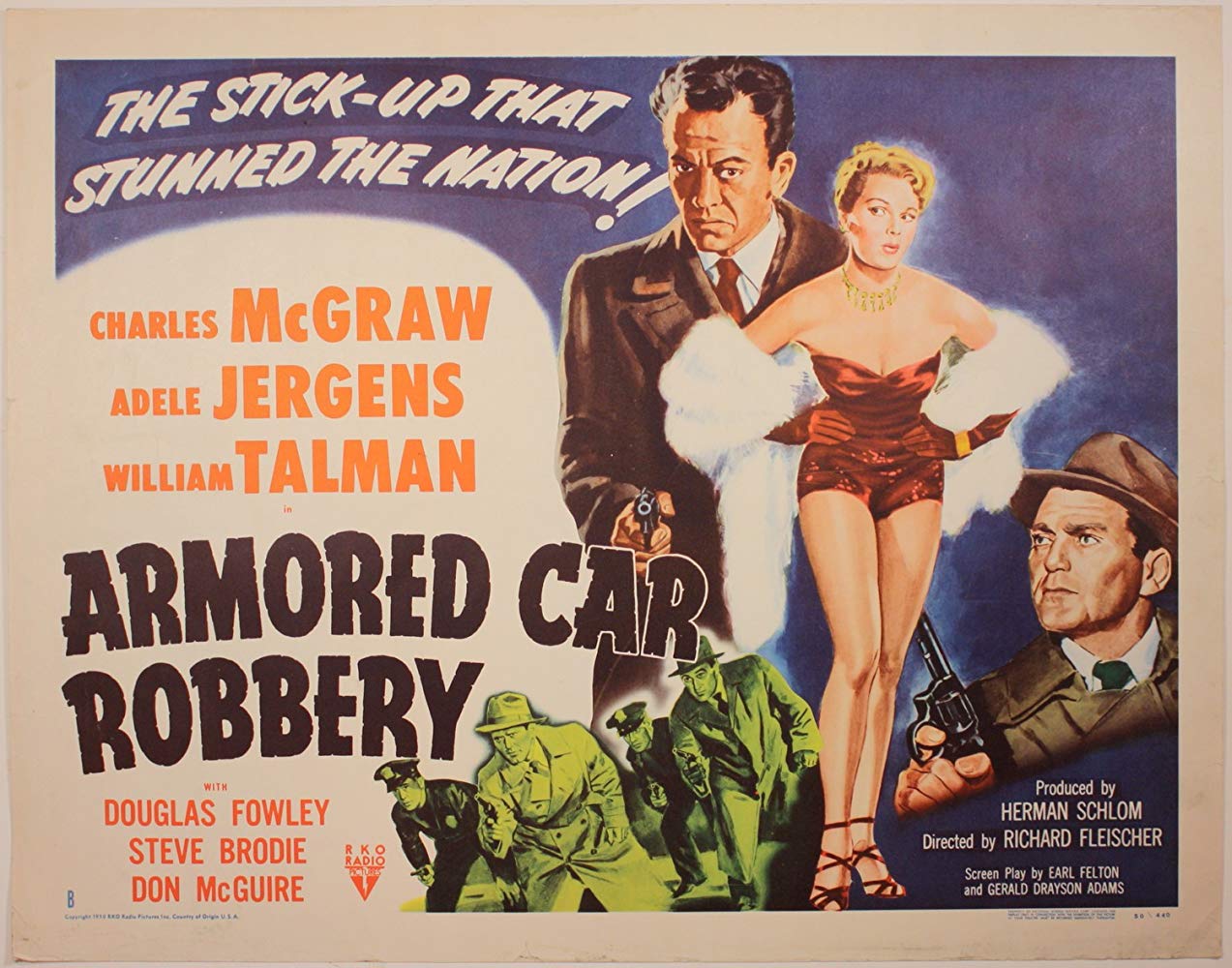
  • Noir Alley: Saturdays at midnight ET/Sundays at 10am ET– Eddie Muller hosts “Armored Car Robbery” (1950), “Party Girl” (1958), “Roadblock” (1951), “Dark Passage” (1947), “Scene Of The Crime” (1949)

For more info about what’s playing on TCM this month, visit the TCM Movie Schedule at CMH here.

film struck yankee doodle dandy

FilmStruck… subscription needed…

  • Contest: Check back here on this blog for our ongoing contests, but don’t delay! Our first FilmStruck Contest end July 28th — CMH will be giving away one-year subscriptions to FilmStruck all month long!
  • Star Of The Week: New Stars of the Week including James Cagney, Gene Kelly and more!
  • Films: Fresh content added in this month’s library from “Anchor’s Away” to “What’s Up Doc”
  • Featured Collections: Natalie Wood, Miss Marple, Greta Garbo, and more!
  • Podcast: Alicia Malone hosts a lively podcast with fascinating guests…
  • FilmStruck Forum: CMH just launched our monthly FilmStruck Column – join the conversation!

Especially for CMH Fans:)

filmstruck exclusive 30-day trial subscription

Movies TV Network…

  • Always a nice collection of classics mixed into the Movies TV Network schedule (which also includes more recent films). This month’s mix includes The African Queen, Peyton Place, The Stranger, They Made Me A Criminal, Black Widow, Murder On The Orient Express and more.
  • And Sunday Night Noir.
  • And five new affiliates coming soon: Charlotte NC, Salt Lake City UT, Boise ID, Wausau WI and Victoria TX.
  • Where to Watch.

GetTV… Classic Movies and Retro TV…

MeTV…

Antenna TV…

Decades TV… 

New Addition – Pluto TV… Would love to know what you think of this free streaming movie service…

  • Pluto TV is like an old-school TV set — you flip through the channels to see what’s on. The good news is that the service is FREE, and they have a Classic Movie Channel and a Classic TV Channel.  Would love to know what you think… 
  • Classic Movie Channel
  • Classic TV Channel
  • You might want to check out the other channels as well, right now I’m seeing a really cool Beatles Hamburg documentary on their Live Music Replay Channel

Fathom Events “TCM Big Screen Classics”… movies on the Big Screen at select theaters nationwide…

fathom events tcm big screen classics 2018Click above to see the full Fathom Events classic movie schedule

Blogathons…

For a full listing of Blogathons, click here. Or add your own and we will help promote it.

TCM Parties for June… Follow along and live tweet using the #TCMParty hashtag…

Check out the complete list and times here.

Movie Screenings across the US…

From Indiscreet to Rio Bravo and more, check out the CMH Event Calendar to see what’s playing at Theaters across the US including:

If we’re missing a ‘classic movie’ theater in your neighborhood, please let us know!

ClassicMoviesEvents300 cropped
Click above to visit the CMH Events Calendar

And of course our Monthly Contests! Including:

For a listing of all of our CMH contests, click here.

And a Happy Classic Viewing to All!

…..

–Annmarie Gatti for Classic Movie Hub

Posted in Posts by Annmarie Gatti, What's Happening in Classics | Leave a comment

Western Roundup: Five of my Favorite Westerns

Western Roundup: Five of my Favorite Westerns

From John Ford and John Wayne to Tim Holt and Hopalong Cassidy, Randolph Scott and Joel McCrea to George O’Brien and Johnny Mack Brown, and all points in between, I love Westerns! I’m truly delighted to have the opportunity to share my deep affection for the genre at Classic Movie Hub and hope my pieces will remind readers of some favorite viewing memories while also pointing them in the direction of new Westerns to check out. By way of introduction, here are five of my all-time favorite Westerns:

Wagon Master Johnson CareyBen Johnson and Harry Carey Jr. in Wagon Master (1950).

Wagon Master (John Ford, 1950)

This deceptively simple film often cited as one of director Ford’s personal favorites, encapsulates everything I love about Westerns, with a great — if relatively lesser-known — cast in awe-inspiring locations, backed by beautiful music. Ben Johnson, who was still a couple decades away from winning an Oscar, and Harry Carey Jr. play a pair of nice young cowboys who sign on to guide a wagon train of Mormons headed by Elder Wiggs (Ward Bond). Things get complicated when the wagon train runs into a nasty outlaw family headed by Charles Kemper; look for a young James Arness playing one of his sons. The otherwise peaceable Mormons and their guides need to find a way to stay alive.

This movie has it all, from memorable little bits of business (Carey whipping off his hat and bowing whenever he greets beautiful Kathleen O’Malley) to the majestic grandeur of Moab, Utah, along with Monument Valley. The film has an unusually realistic feel, as if Ford and cameraman Bert Glennon just happened upon the group and started shooting, a feeling which is underscored by unplanned moments left in the film, including a horse fall and a dog shredding Bond’s pants (!). And of course, Johnson, one of the great movie horsemen, does all his own riding scenes. Yet as seemingly “natural” as it all is, this is also John Ford and company creating an exquisite piece of American art. I can’t watch a long shot of the wagon train moving forward, with the Sons of the Pioneers singing softly in the background, without tearing up at the movie’s beauty.

Saddle Tramp Hendrix McCreaJoel McCrea and Wanda Hendrix in Saddle Tramp (1950).

Saddle Tramp (Hugo Fregonese, 1950)

I have a deep love for both Joel McCrea and colorful Universal Pictures Westerns, and this movie, first seen by me at a young age, is part of the reason why. I didn’t know it when I first saw it, but offscreen Joel McCrea was a rancher who loved getting up in the morning and going to work on a horse, whether at his ranch or on a movie set; indeed, with a couple of exceptions, McCrea spent all of the ’50s making Westerns. Here he plays footloose cowboy Chuck Conner, who visits an old friend (John Ridgely) and is shortly thereafter stunned to find himself the guardian of four young boys when his widowed friend dies in an accident. Before long he also finds himself protecting a young girl named Della (Wanda Hendrix), who’s on the run from an abusive uncle (Ed Begley Sr.).

Like most Universal Westerns, this film has a great cast, including John McIntire as a child-hating rancher and McIntire’s real-life wife Jeanette Nolan as a kindly woman who whimsically believes food Chuck’s been snitching for the kids has been taken by “the little people.” John Russell, the future star of TV’s Lawman, is also on hand as a ranch foreman who clashes with Chuck. I love the way the movie encompasses humor, romance, action, and poignancy. A closing scene where Chuck, now a settled man with responsibilities, wistfully watches geese fly away is a moment of great depth; though Chuck is a good man who realizes what he’s gained is far greater than what he’s lost, the film takes time to acknowledge that he also feels a sense of loss that his traveling days are over. That’s a fully realized character and a marvelous piece of cinema in what at the time was probably thought of as “just another Universal Western.”

Westward the Women TaylorRobert Taylor in Westward the Women (1951).

Westward the Women (William Wellman, 1951)

This movie seems to have received more critical appreciation in recent years, but I’d love for many more film fans to become acquainted with it. It’s a gripping and gritty adult Western with an outstanding lead performance by Robert Taylor and superb location filming in Utah. Taylor plays no-nonsense trail guide Buck Wyatt, whose employer (John McIntire) gives him the job of escorting 140 women from Missouri to their California valley, where the men are longing for wives. The women, including Denise Darcel, Julie Bishop, and Hope Emerson, want new lives and sign up despite being told that one in three of them won’t survive the trip. The odds get even worse when most of the men hired for the journey abandon their jobs, leaving only the Japanese cook (Henry Nakamura) and a hired hand (Pat Conway) to help Buck. The women refuse to quit and quickly pick up the basics of the rough work which is part of wagon train life.

This is a surprisingly tough film for the era, with a fairly high body count; Buck meting out instant “trail justice” is a particularly shocking moment, as is the unseen yet disturbing crime which precedes it. There are great roles for a number of people, including Nakamura as the insightful, spunky cook, Emerson as a hearty seaman’s widow, Lenore Lonergan as a quiet girl with glasses who has amazing aim with a gun, and Beverly Dennis as a young unwed mother; the film’s incorporation of the latter storyline, of a girl seeking a new life for herself and her unborn child, is another aspect which makes the film different from typical early ’50s fare. The film’s finale has a profound emotional impact, having accompanied these brave women on their journey. A superb film from start to finish.

Bend of the RiverJulie Adams and James Stewart in Bend of the River (1952).

Bend of the River (Anthony Mann, 1952)

It could be argued that Anthony Mann made even better Westerns than the fine Bend of the River, but for me, this film defines that funny yet evocative term, “movie comfort food.” It’s a movie I’ve seen time and again, yet rather than tiring of it, each time I love and appreciate it more. In a fast-paced opening sequence, cowboy Glynn McLyntock (James Stewart) saves a stranger, Emerson Cole (Arthur Kennedy), from a hangman’s noose. Each man has a violent past, but while McLyntock is determined for a new start, heading to Oregon with a wagon train, the love of Laura (Julie Adams) may not be enough to keep Cole on the straight and narrow. Eventually, McLyntock and Cole’s friendship will be irreparably ended with a betrayal.

This is another Universal Pictures Western which has a tremendous amount going for it, starting with the performance of James Stewart; he may be an outdoorsman who knows what to do even in the direst of circumstances, but that’s also real fear you see in his expressive eyes. The script by Borden Chase is excellent (“You’ll be seeing me!”), and there are marvelous set pieces including an Indian fight, a saloon shoot-out, and an exciting escape from town, racing horses onto a paddlewheeler. The film also boasts gorgeous Oregon locations and a typically deep Universal cast with great faces like Rock Hudson, Lori Nelson, Jay C. Flippen, Harry Morgan, Chubby Johnson, and Frank Ferguson, among others. It’s grand entertainment start to finish.

Ride Lonesome Scott RobertsRandolph Scott and Pernell Roberts in Ride Lonesome (1959).

Ride Lonesome (Budd Boetticher, 1959)

Ride Lonesome is my favorite of the “Ranown” films starring Randolph Scott and directed by Budd Boetticher, just managing to edge out Seven Men from Now (1956). To my way of thinking, the compact 73-minute Ride Lonesome is a perfect Western in every regard. It features the classic Western theme of a group of disparate travelers forced by circumstances to band together, including bounty hunter Ben Brigade (Scott) and Billy John (James Best), a killer Brigade is going to turn in for a reward; Carrie Lane (Karen Steele), who’s been waiting for her husband to return to the stagecoach station he manages; and nice guy outlaws Sam (Pernell Roberts) and Whit (James Coburn), who wants to turn in Billy John themselves so they can receive amnesty and start a new life as ranchers. Mescalero Indians and Billy John’s brother Frank (Lee Van Cleef) are all after the group.

The Burt Kennedy script is outstanding, with Brigade revealed to be a man with a tragic past whose capture of Billy John is part of a larger plan only made clear near movie’s end. Roberts is almost shockingly good in a charismatic performance as the genial Sam, a revelation for anyone mainly familiar with him as dour Adam Cartwright, and Coburn, in his film debut, is so delightful that the unselfish and canny Scott recommended that lines be added to the script to give him more screen time. There’s not a wasted moment in the movie, which builds to an unforgettable ending. I really love this film and revisit it regularly, and I hope anyone not yet familiar with it will give it a look.

 …

– Laura Grieve for Classic Movie Hub

Laura can be found at her blog, Laura’s Miscellaneous Musings, where she’s been writing about movies since 2005, and on Twitter at @LaurasMiscMovie. A lifelong film fan, Laura loves the classics including Disney, Film Noir, Musicals, and Westerns.  She regularly covers Southern California classic film festivals.  Laura will scribe on all things western at the ‘Western RoundUp’ for CMH.

Posted in Western RoundUp | Tagged , , , , , , , , , , , , | 15 Comments

Win Tickets to see “TCM Big Screen Classics: The Big Lebowski” (20th Anniversary) (Giveaway runs through July 21)

Win tickets to see “The Big Lebowski” on the big screen!
In Select Cinemas Nationwide Sun Aug 5 and Wed Aug 8!

“I’m the Dude. So that’s what you call me. You know, that or, uh, His Dudeness, or uh, Duder, or El Duderino”

CMH continues into our 3rd year of our partnership with Fathom Events – with the 8th of our 13 movie ticket giveaways for 2018, courtesy of Fathom Events!

That said, we’ll be giving away EIGHT PAIRS of tickets to see “TCM Big Screen Classics: The Big Lebowski – The Coen Brothers movie that spawned a religious movement — on the Big Screen!

In order to qualify to win a pair of movie tickets via this contest, you must complete the below entry task by Saturday, July 21 at 6 PM EST.

We will announce the winner(s) on Twitter on Sunday, July 22, between 6PM EST and 7PM EST. If a winner(s) does not have a Twitter account, we will announce that winner(s) via this blog in the comment section below.

TCM BIG Screen Classics Present The Big Libowsky

The film will be playing in select cinemas nationwide for a special two-day-only event on Sunday, August 5 and Wednesday, August 8 at 2:00 p.m. and 7:00 p.m. local time. Winners will be responsible for their own transportation to the Event. Only United States entries are eligible. Please click here before you enter to ensure that the Event is scheduled at a theater near you and that you are able to attend. (please note that there might be slightly different theater listings for each date)

ENTRY TASK (2-parts) to be completed by Saturday, July 21 at 6PM EST…

1) Answer the below question via the comment section at the bottom of this blog post

THE QUESTION:
Although not officially a classic-era film, what in your opinion makes “The Big Lebowski” a classic? And, if you haven’t seen it, why do you want to see it on the Big Screen?

2) Then TWEET* (not DM) the following message:
I just entered to win tickets to see “TCM Big Screen Classics Presents: The Big Lebowski” on the Big Screen courtesy of @ClassicMovieHub & @FathomEvents #EnterToWin #CMHContest link here: http://ow.ly/lLgP30kKLHc

*If you don’t have a Twitter account, you can still enter the contest by simply answering the above question via the comment section at the bottom of this blog — BUT PLEASE ENSURE THAT YOU ADD THIS VERBIAGE TO YOUR ANSWER: I do not have a Twitter account, so I am posting here to enter but cannot tweet the message.

NOTE: if for any reason you encounter a problem commenting here on this blog, please feel free to tweet or DM us, or send an email to clas@gmail.com and we will be happy to create the entry for you.

ALSO: Please allow us 48 hours to approve your comments. Sorry about that, but we are being overwhelmed with spam, and must sort through 100s of comments…

Jeff Bridges in The Big Lebowski

About the film: From the Academy Award®-winning Coen brothers, The Big Lebowski is a hilariously quirky comedy about bowling, a severed toe, White Russians and a guy named…The Dude. This 20th Anniversary event includes exclusive insight from Turner Classic Movies.

Please note that only United States residents are eligible to enter this giveaway contest. (see contest rules for further information)

BlogHub members ARE also eligible to win if they live within the Continental United States (as noted above).

You can follow Fathom Events on Twitter at @fathomevents

Good Luck!

–Annmarie Gatti for Classic Movie Hub

Posted in Contests & Giveaways, Fathom Events | Tagged , , , , | 17 Comments